Happy Note: A Typeface That Brings Joy to Your Creative Projects
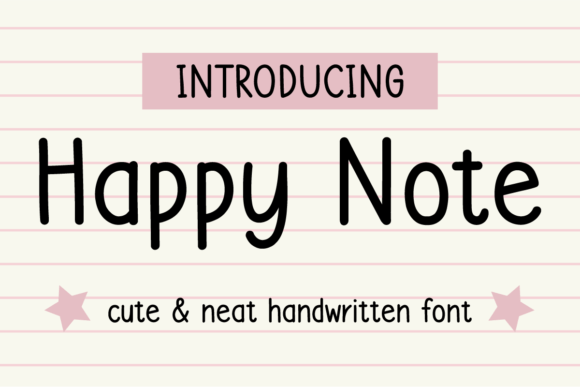
Finding the right premium font is like finding the perfect voice for your project. It needs to carry the right tone, be clear, and connect with your audience. For anyone looking for a typeface that feels friendly, modern, and approachable, Happy Note is a compelling choice. It’s a handwritten font with a distinct personality, designed to look like a neat, joyful note scribbled by a friend. The letterforms are clean and legible, a hallmark of a well-crafted sans serif font structure, but with a soft, organic touch that avoids the sterility of some digital typefaces.
The visual appeal of Happy Note lies in its balance. It’s playful without being childish, and personal without being messy. This makes it an incredibly versatile creative font. Imagine it on the header of a lifestyle blog, the title of a digital planner, or the main text on an invitation. It instantly infuses the design with a sense of warmth and positivity. This isn't just another decorative script; it’s a functional display font built for readability in both digital and print contexts. Its neat, slightly rounded edges create a welcoming atmosphere that draws the eye and makes content feel more accessible.
Where Happy Note Truly Shines
The true strength of a typeface is shown in its application. Happy Note excels in environments where connection and clarity are paramount. In brand identity, it’s a powerful tool for businesses that want to project approachability and creativity. Think of a boutique coffee shop’s menu, a yoga studio’s branding materials, or the logo for a handmade goods store. The font helps build a brand personality that feels genuine and customer-focused. For packaging design, it can make a product stand out on the shelf with its friendly vibe, suggesting a product made with care.
In the digital sphere, its utility is just as strong. For web design, Happy Note works beautifully for headings, calls-to-action, and quote blocks, breaking up the monotony of standard body text. It’s a fantastic choice for social media graphics, where grabbing attention quickly is key. A promotional post or an inspirational quote set in this font feels more personal and engaging. Similarly, in editorial design—like magazines, newsletters, or e-books—it can be used for pull quotes, section headers, and sidebars to add visual interest and guide the reader’s eye through the layout. The font’s inherent cheerfulness makes it perfect for projects related to hobbies, crafting, personal blogs, and community-focused content.
Using Happy Note Effectively in Your Work
Adopting a new typeface into your workflow is about more than just liking how it looks; it’s about strategic implementation. The first step is evaluating project fit. Happy Note is a strong candidate for projects that require a human touch. It would be less appropriate for a corporate law firm’s annual report but ideal for a children’s educational app or a wedding planner’s portfolio. Always consider your audience. The font’s joyful character resonates particularly well with adults aged 20-50 who appreciate design that feels modern yet personal, such as entrepreneurs, content creators, and hobbyists.
Next, consider font pairing. A handwritten font like Happy Note often pairs best with a simple, clean companion. Using it alongside a classic serif font can create a beautiful contrast between the organic and the traditional, perfect for a blog or a book cover. Pairing it with a neutral geometric sans serif font for body text ensures maximum readability while letting the headlines in Happy Note carry the personality. Before committing, review the full character set. Check for essential features like numerals, punctuation, and any special ligatures or stylistic alternates that might be included. This ensures you have all the design assets you need for a cohesive project.
Readability is non-negotiable. While Happy Note is designed for clarity, it’s best used at larger sizes, such as for headlines, subheads, or short paragraphs. For long-form body text, a more traditional sans serif font or serif font is usually a better choice to maintain reading comfort. Finally, for any commercial project—from client work to selling products on Etsy—always verify the licensing. A legitimate commercial font license protects you legally and supports the type designers who create these valuable tools. By thoughtfully integrating Happy Note, you’re not just picking a font; you’re choosing a tone of voice that can enhance brand perception, create visual hierarchy, and foster genuine audience engagement.